Home » Without Label » Virus Marburg - Factsheet about Ebola and Marburg virus diseases - The deadly marburg virus was discovered on sunday in guinea, west africa, after a man died of the disease.
Virus Marburg - Factsheet about Ebola and Marburg virus diseases - The deadly marburg virus was discovered on sunday in guinea, west africa, after a man died of the disease.
Virus Marburg - Factsheet about Ebola and Marburg virus diseases - The deadly marburg virus was discovered on sunday in guinea, west africa, after a man died of the disease.. It is a severe, often fatal illness with symptoms including headache, fever, muscle pains, vomiting blood and bleeding. Cases are extremely rare with the last major outbreak in angola in 2005. Marburg outbreaks start when an infected animal, such as a monkey or a fruit bat, passes the virus to a human. Marburg virus is a hemorrhagic fever virus of the filoviridae family of viruses and a member of the species marburg marburgvirus, genus marburgvirus.marburg virus (marv) causes marburg virus disease in humans and other primates, a form of viral hemorrhagic fever. The marburg virus is 'deadly and scary', an expert warned in 2017 during an outbreak in uganda as the world health organisation raises fears of a new scare in west africa.
The marburg virus is highly infectious and comes from the same virus family that causes ebola. Ebola virus and marburg virus live in animal hosts. This is significant because the virus causes a hemorrhagic fever, similar to. Mvd is a viral hemorrhagic fever (vhf), and the clinical symptoms are indistinguishable from ebola virus disease (evd). These are marked by severe bleeding (hemorrhage), organ failure and, in many cases, death.
Los científicos revelan cómo el virus de Marburg ... from www.medicalpress.es Marburg virus disease was initially detected in 1967 after simultaneous outbreaks in marburg and frankfurt in germany; All you need to know about marburg virus, ebola's deadly cousin that spreads like covid timesofindia.com / aug 10, 2021, 21:03 ist facebook twitter linkedin email Ebola virus and marburg virus live in animal hosts. The virus causes severe viral haemorrhagic fever in humans. Marburg and ebola viruses are both members of the filoviridae family (filovirus). The marburg virus spreads mainly through bodily fluids. Marburg virus is similar to ebola in that both can cause hemorrhagic fever, meaning that infected people develop high fevers and bleeding throughout the body that can lead to shock, organ failure. The marburg virus belongs to the same family as ebola, and previously outbreaks have erupted elsewhere across africa in angola, congo, kenya, south africa and uganda.
The marburg virus is 'deadly and scary', an expert warned in 2017 during an outbreak in uganda as the world health organisation raises fears of a new scare in west africa.
The marburg virus is highly infectious and comes from the same virus family that causes ebola. Like ebola, marburg virus disease can cause severe hemorrhaging that leads to shock, organ failure, or death. The virus is considered to be extremely dangerous. The virus causes severe viral haemorrhagic fever in humans. Marburg virus was first identified in 1967, when 31 people became sick in germany and yugoslavia in an outbreak that was eventually traced back to laboratory monkeys imported from uganda. Marburg and ebola viruses are both members of the filoviridae family (filovirus). Officials say that samples taken from the dead patient were tested in a field laboratory in gueckedou. The marburg virus is 'deadly and scary', an expert warned in 2017 during an outbreak in uganda as the world health organisation raises fears of a new scare in west africa. The deadly marburg virus was discovered on sunday in guinea, west africa, after a man died of the disease. Severe cases lead to shock, liver failure and internal bleeding. Marburg case fatality rates have varied from 24 percent to 88 percent in past outbreaks depending on virus strain and case management, who said, adding that transmission occurs through contact. The virus had not been seen since 2008, and the last major outbreak of marburg was in. Marburg virus disease (mvd), formerly known as marburg haemorrhagic fever, is a severe, often fatal illness in humans.
The virus causes severe viral haemorrhagic fever in humans. Marburg virus causes symptoms that come on suddenly and become increasingly severe. Gastrointestinal distress, including watery diarrhea, nausea, and cramping, often around three days after symptoms appear. Marburg case fatality rates have varied from 24 percent to 88 percent in past outbreaks depending on virus strain and case management, who said, adding that transmission occurs through contact. Marburg, which is in the same family as the virus that causes ebola, was detected less than two months after guinea declared an end to an ebola outbreak that erupted earlier this year.
Virus Marburg, la nuova infezione e il primo caso in ... from citymilanonews.com There are 155 people in quarantine in guinea after a case of the marburg virus disease was confirmed in the country. Marburg outbreaks start when an infected animal, such as a monkey or a fruit bat, passes the virus to a human. Marburg virus is a highly dangerous pathogen that causes haemorrhagic fever. Early symptoms include fever, chills, a headache and muscle pain. The world health organization (who) rates it as a risk group 4 pathogen. These are marked by severe bleeding (hemorrhage), organ failure and, in many cases, death. Ebola virus and marburg virus are related viruses that may cause hemorrhagic fevers. The virus is part of.
The virus had not been seen since 2008, and the last major outbreak of marburg was in.
The virus then spreads from human to human by contact with an infected person's. Characterization of a new marburg virus isolated from a 1987 fatal case in kenya. Marburg virus is the causative agent of marburg virus disease (mvd), a disease with a case fatality ratio of up to 88%. Marburg outbreaks start when an infected animal, such as a monkey or a fruit bat, passes the virus to a human. It is a severe, often fatal illness with symptoms including headache, fever, muscle pains, vomiting blood and bleeding. The marburg virus spreads mainly through bodily fluids. These are marked by severe bleeding (hemorrhage), organ failure and, in many cases, death. The marburg virus, which is similar to ebola but has different antigenic properties, is transmitted to people from fruit bats and can be spread through direct contact with the bodily fluids of infected people, surfaces and materials. Johnson ed, johnson bk, silverstein d, et al. Marburg virus is a highly dangerous pathogen that causes haemorrhagic fever. The virus then spreads from human to human by contact with an infected person's. Marburg case fatality rates have varied from 24 percent to 88 percent in past outbreaks depending on virus strain and case management, who said, adding that transmission occurs through contact. Marburg, which is in the same family as the virus that causes ebola, was detected less than two months after guinea declared an end to an ebola outbreak that erupted earlier this year.
The marburg virus, which is similar to ebola but has different antigenic properties, is transmitted to people from fruit bats and can be spread through direct contact with the bodily fluids of infected people, surfaces and materials. The marburg virus belongs to the same family as ebola, and previously outbreaks have erupted elsewhere across africa in angola, congo, kenya, south africa and uganda. Marburg virus disease was initially detected in 1967 after simultaneous outbreaks in marburg and frankfurt in germany; Marburg outbreaks start when an infected animal, such as a monkey or a fruit bat, passes the virus to a human. The deadly marburg virus was discovered on sunday in guinea, west africa, after a man died of the disease.
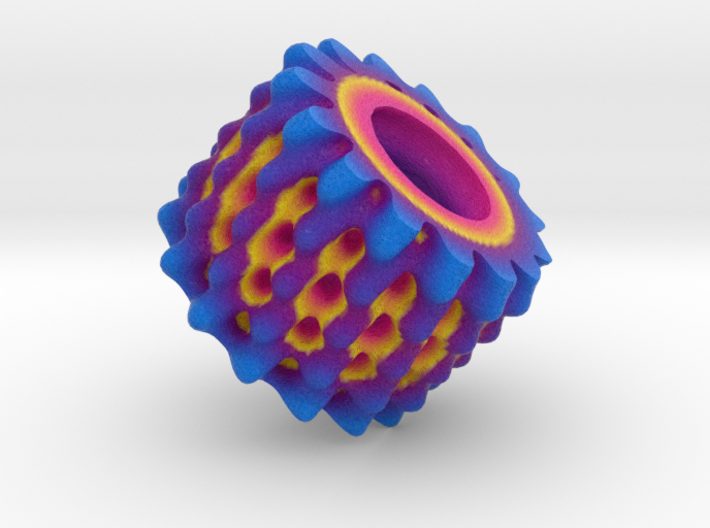
Marburg Virus (AFY8LUX2P) by 3DBiology from images3.sw-cdn.net Mvd is a viral hemorrhagic fever (vhf), and the clinical symptoms are indistinguishable from ebola virus disease (evd). The virus had not been seen since 2008, and the last major outbreak of marburg was in. The disease starts suddenly with a high fever, severe headache and malaise. Marburg and ebola viruses are both members of the filoviridae family (filovirus). Marburg virus disease (mvd), formerly known as marburg haemorrhagic fever, is a severe, often fatal illness in humans. Marburg virus was first identified in 1967, when 31 people became sick in germany and yugoslavia in an outbreak that was eventually traced back to laboratory monkeys imported from uganda. Marburg virus is a highly dangerous pathogen that causes haemorrhagic fever. The marburg virus is highly infectious and comes from the same virus family that causes ebola.
Officials say that samples taken from the dead patient were tested in a field laboratory in gueckedou.
Like ebola, marburg virus disease can cause severe hemorrhaging that leads to shock, organ failure, or death. Marburg virus is a highly dangerous pathogen that causes haemorrhagic fever. A probable case of marburg virus was reported in guinea in tèmessadou m'boke, prefecture of guéckédou, on 8/5/21. The deadly marburg virus was discovered on sunday in guinea, west africa, after a man died of the disease. The virus causes severe viral haemorrhagic fever in humans. The marburg virus is highly infectious and comes from the same virus family that causes ebola. Ebola virus and marburg virus live in animal hosts. The virus then spreads from human to human by contact with an infected person's. Marburg virus was first identified in 1967, when 31 people became sick in germany and yugoslavia in an outbreak that was eventually traced back to laboratory monkeys imported from uganda. Marburg outbreaks start when an infected animal, such as a monkey or a fruit bat, passes the virus to a human. Ebola virus and marburg virus are related viruses that may cause hemorrhagic fevers. Marburg virus is the causative agent of marburg virus disease (mvd), a disease with a case fatality ratio of up to 88%. Marburg virus is similar to ebola in that both can cause hemorrhagic fever, meaning that infected people develop high fevers and bleeding throughout the body that can lead to shock, organ failure.